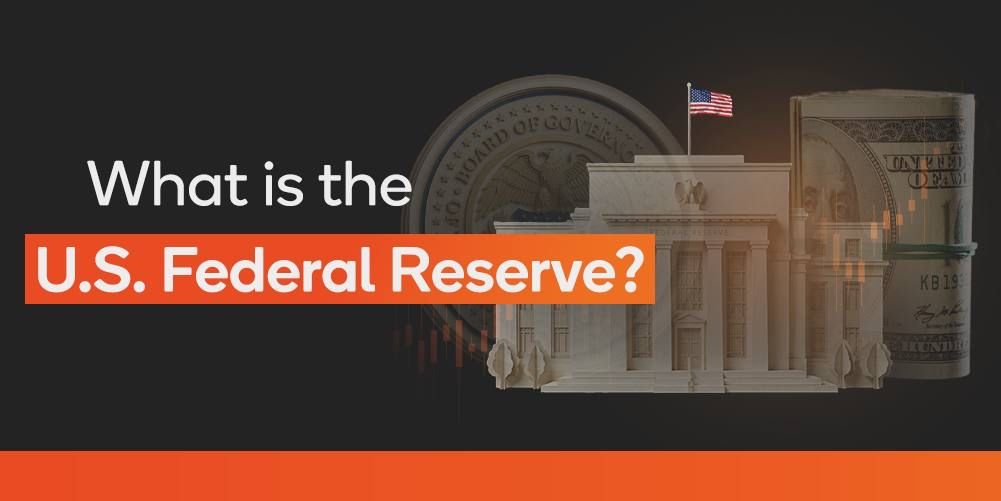
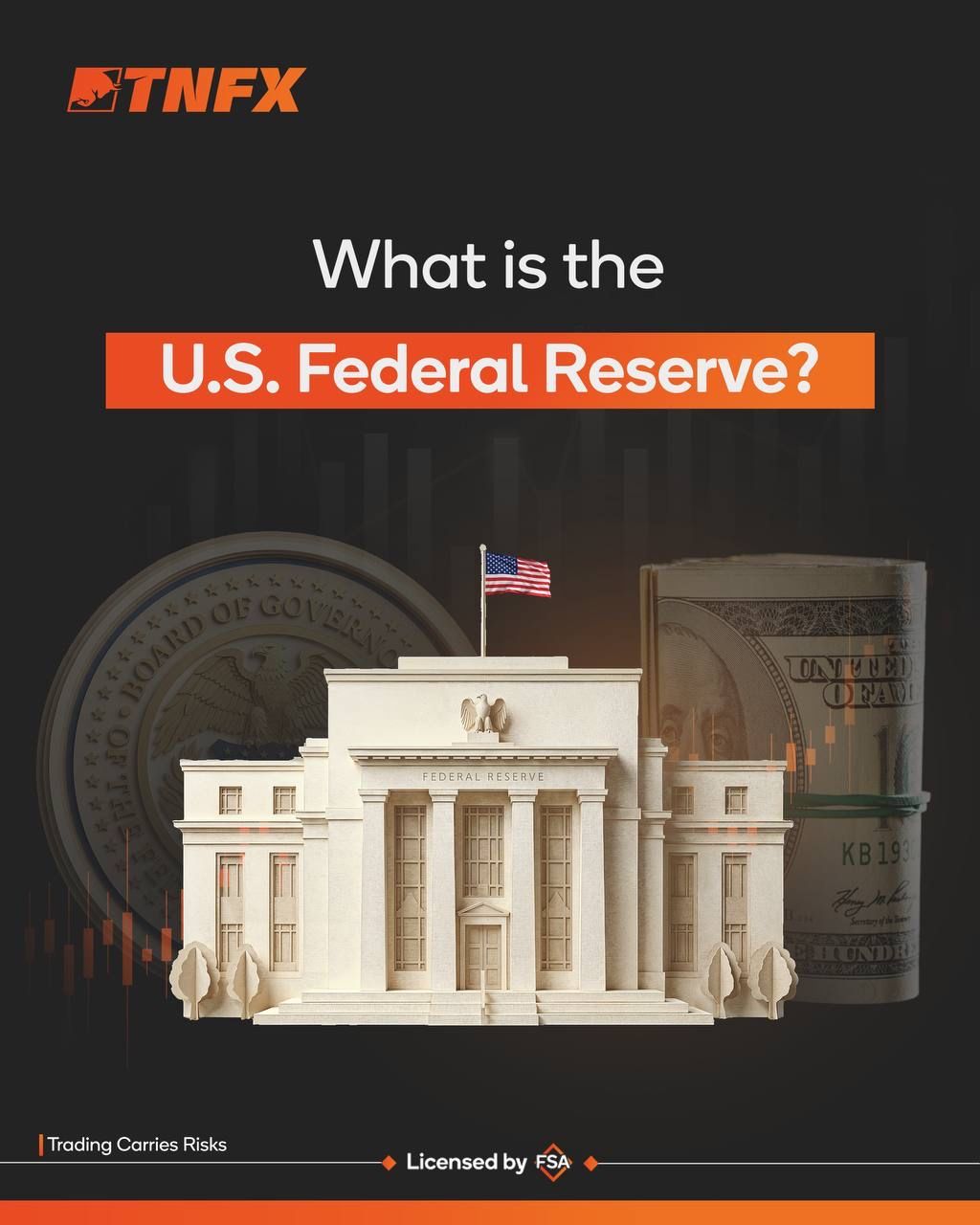
The Federal Reserve System (FRS), commonly referred to as “the Fed,” is the central bank of the United States of America. It was established to provide a more flexible, stable, and secure monetary and financial framework for the U.S. national economy.
The U.S. Congress passed the Federal Reserve Act on December 23, 1913, and President Woodrow Wilson signed it into law, paving the way for the creation of a central banking system to regulate monetary policy and enhance financial system stability in the country.
Under this law, 12 Federal Reserve Banks were established and distributed across major cities in the United States, including New York, Boston, Chicago, Cleveland, Atlanta, Dallas, San Francisco, Kansas City, Minneapolis, Philadelphia, Richmond, and St. Louis.
The Federal Reserve is widely regarded as one of the most powerful financial institutions in the world, due to its role in managing monetary policy for the world’s largest economy, its direct influence on the value of the U.S. dollar as the world’s primary reserve currency, and its regulatory role over the world’s largest stock markets, such as the New York Stock Exchange (NYSE) and the Nasdaq (NASDAQ).
How Does the U.S. Federal Reserve Work?
The U.S. Federal Reserve operates independently of the government and the president, which allows it to make monetary decisions without direct political interference. However, its activities are subject to oversight by the U.S. Congress and are expected to align with the overall national economic policy.
The main responsibilities of the Federal Reserve include:
• Issuing the U.S. dollar, regulating its value, and setting the federal funds interest rate.
• Implementing monetary policy with the aim of achieving maximum employment, price stability, and stable interest rates.
• Supervising the Federal Reserve Banks and maintaining the stability of the financial system.
• Regulating banks, financial institutions, and financial markets to protect consumers.
• Providing financial services to depository institutions, the government, and official foreign institutions.
Structure of the U.S. Federal Reserve
The structure of the Federal Reserve consists of three main components: the Board of Governors, the Federal Reserve Banks, and the Federal Open Market Committee (FOMC).
• The Board of Governors (FRB), also known as the Board of Governors of the Federal Reserve System, is the governing body of the system. Its seven members are nominated by the President of the United States and confirmed by the U.S. Senate. Their primary responsibilities include implementing monetary policy, setting the federal funds rate, and participating in the core operations of the Federal Reserve.
• The Federal Reserve Banks manage monetary affairs and regulate commercial banks within their jurisdictions. These banks have semi-independent authority to formulate regional monetary policies in line with local economic conditions, while adhering to federal monetary policy. The system is composed of 12 decentralized Federal Reserve Banks, each governed by a nine-member board of directors.
• The Federal Open Market Committee (FOMC) oversees open market operations and intervenes in the economy as needed to ensure financial and monetary stability. The committee consists of 19 members, including the Board of Governors and the presidents of the regional Federal Reserve Banks. All governors and the president of the Federal Reserve Bank of New York have full voting rights, while only four of the remaining eleven regional Federal Reserve Bank presidents vote on a rotating one-year basis. Final decisions are made by consensus.
The U.S. Federal Reserve in Fundamental Analysis
The primary objective of the U.S. Federal Reserve is to steer the economy toward achieving the goals of monetary policy, with a focus on inflation and employment levels. The Fed implements these objectives mainly by adjusting the money supply in circulation, a task carried out by the Federal Open Market Committee (FOMC). The Federal Reserve holds meetings eight times a year, approximately every six weeks, to set the federal funds rate for interbank lending and to decide on open market operations. Any change in the federal funds rate directly affects the ability of companies and consumers to access financing.
Raising Federal Interest Rates
When the U.S. economy grows rapidly, inflation may push consumer prices higher than what companies can sustain alongside high investment levels and wages, potentially leading to rising unemployment. To balance this, the FOMC may raise the federal funds rate. Interbank borrowing becomes more expensive, and banks pass these higher costs on to customers through their financial products, which reduces borrowing and spending. This decline in demand helps control inflation and strengthens the U.S. dollar against other currencies. However, higher borrowing costs can reduce corporate profitability, prompting investors to withdraw capital from equities and shift toward interest-based investments such as U.S. Treasury bonds, which offer higher yields.
Cutting Federal Interest Rates
Conversely, when the U.S. economy is in recession, the FOMC may lower the federal funds rate to stimulate economic activity. Lower interbank borrowing costs allow banks to offer loans on more favorable terms, encouraging companies to expand their businesses and hire more workers. As employment and disposable income rise, consumer spending increases, boosting corporate profits. In this case, the U.S. dollar tends to weaken relatively, and interest-based investments become less attractive, while capital flows toward equity markets where higher profit potential and dividend payments are available.
How Do You Trade the U.S. Federal Reserve Interest Rate Decisions?
As the authority overseeing the world’s largest economy, the U.S. Federal Reserve attracts intense attention from financial markets. Interest rate decisions by the Federal Open Market Committee (FOMC) have a powerful and direct impact on U.S. dollar pairs, U.S. stocks listed on the New York Stock Exchange and Nasdaq, commodities such as gold and WTI crude oil traded on the New York Mercantile Exchange (NYMEX), as well as U.S. Treasury bonds.
For this reason, each of the eight annual Federal Reserve interest rate meetings creates significant opportunities for news trading strategies, as markets eagerly await the official decision. The interest rate decision is released alongside an official statement outlining the general direction of monetary policy, often triggering strong market volatility. The Chair of the Federal Reserve also holds a press conference to explain the decision and present the economic outlook for the coming period. At a later stage, the meeting minutes are published, containing details of the discussions held among FOMC members, which serve as an important source for understanding future monetary policy directions.
Market price movements following Federal Reserve meetings largely depend on prior market expectations and investor sentiment. If analysts expect a rate hike and the Fed delivers, the U.S. dollar typically strengthens, while stocks, indices, and commodities face downward pressure. Conversely, if interest rates are cut as expected, the U.S. dollar generally weakens and other U.S. assets rise overall.
While these outcomes are the most common under normal economic conditions, market behavior can differ during exceptional periods such as economic crises, trade wars, recessions, or pandemics. Volatility becomes especially intense when the Federal Reserve makes an unexpected decision or signals future policy moves that differ from market expectations. This is why investors and analysts closely examine the Federal Reserve meeting minutes for early clues that help them position themselves and make informed trading decisions.