Investing in metals is considered one of the smartest and most strategic options for investors seeking to diversify their portfolios and minimize risk, especially when aiming for stable long term returns. With a wide range of options available such as gold, copper, lithium, and silver many may ask an important question: How do I choose the right metal to invest in?
In this article, we explore the key factors that help you make the right investment decision. We also highlight the most promising metals for 2025 and the best ways to invest in each, ensuring a smoother and more successful investment experience.
Types of Metals for Investment
Metals suitable for investment are typically categorized into three main types. Choosing the right type depends on the investor’s goals and market conditions:
1. Precious Metals
These are popular choices for hedging against inflation and protecting capital during economic crises. They include:
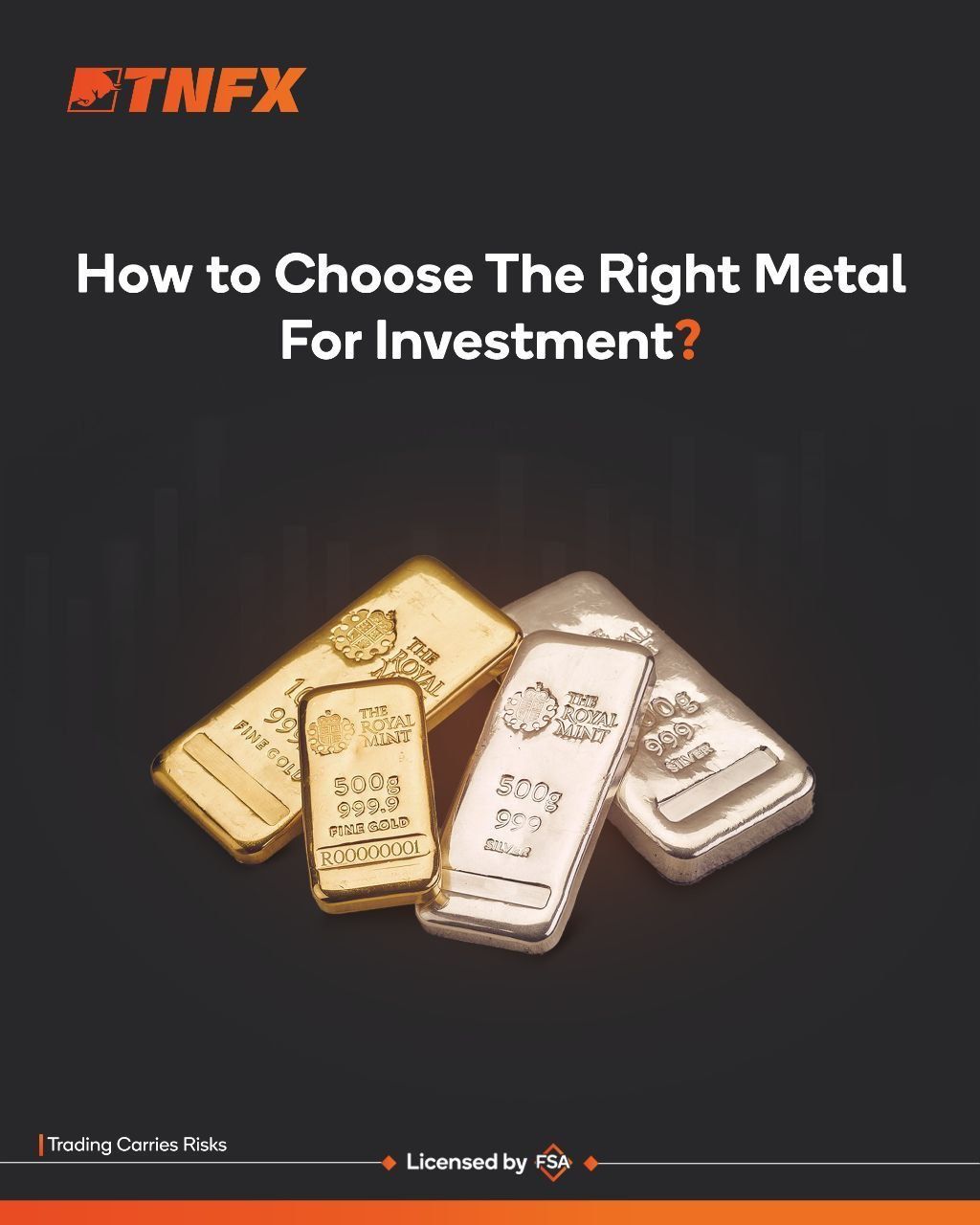
• Gold: The most well-known safe haven during periods of instability, gold has long been a store of value throughout history.
• Silver: Known for its wide range of industrial applications, making it more volatile than gold.
• Platinum: Used in automotive and jewelry industries, its price is closely tied to industrial demand.
• Palladium: A rare metal used in car exhaust systems and electronics, valued for its scarcity and high price.
2. Industrial Metals
These metals are essential in various vital industries and serve as strong indicators of economic growth:
• Copper: Widely used in electricity and construction sectors, copper is seen as a benchmark for global economic activity.
• Nickel: A key component in stainless steel production and electric vehicle batteries.
• Lithium: A strategic metal in the production of lithium-ion batteries, experiencing increasing demand amid the global shift to clean energy.
• Aluminum: Lightweight and versatile, used in aviation, automotive, and packaging industries.
3. Rare Metals
These are used in high-tech industries, including:
• Cobalt, Tantalum, and Other Rare Elements: Critical in manufacturing smart devices, renewable energy components, and advanced technologies. Demand for these metals is expected to grow significantly in the coming years.
Key Factors for Choosing the Right Metal for Investment
Choosing the right metal for investment is not solely based on market value it requires a deep understanding of several fundamental factors that determine its suitability for your investment goals:
1. Define Your Investment Objective
• Hedging Against Inflation: If your goal is to protect your funds from inflation fluctuations, gold and silver remain ideal choices due to their historical ability to preserve value during economic crises.
• Long-Term Investment: Industrial metals such as copper and nickel offer promising growth potential, especially with the global shift towards clean energy and advanced technologies.
• Quick Profits: For investors seeking short-term gains, metals with notable price volatility like silver or palladium may be more suitable.
2. Market Supply and Demand
• Analyzing supply and demand balance is essential. For example, the global surge in demand for electric vehicles boosts the value of metals like nickel and lithium.
• Rare metals that are difficult to extract often hold high value due to their limited availability.
3. Geopolitical and Geographical Factors
• The prices of some metals are influenced by production conditions in specific regions. For instance, cobalt is primarily mined in politically unstable areas, increasing the risk of price fluctuations.
• Monitoring the political and economic situations of metal-producing countries is crucial for assessing potential risks to supply chains.
4. Price Volatility
• Gold is considered one of the least volatile metals, making it a safe option for conservative investors.
• Industrial metals such as copper and aluminum are more sensitive to global economic performance, making them more prone to price swings.
Ways to Invest in Metals
Investment methods in metals vary to suit different goals, budgets, and experience levels. Here are the main options available:
1. Physical Purchase of Metals
Buying physical bars or coins made of gold or silver is a traditional and popular investment method, granting you actual ownership of the metal. However, this requires a secure storage place, such as bank vaults, and may involve additional costs like storage fees and insurance.
2. Investing in Mining Company Stocks
Instead of buying the metal itself, you can invest in shares of companies operating in the metal mining sector. When metal prices rise, these companies’ profits typically increase, which positively impacts their stock value. This method also allows you to benefit from dividend distributions and long-term growth.
3. Exchange-Traded Funds (ETFs)
ETFs offer a convenient and flexible way to invest in metals, as these funds track the prices of metals or mining company stocks without requiring physical ownership. ETFs are highly liquid, making it easy to enter and exit the market.
4. Futures and Options Contracts
Futures and options allow investors to buy or sell metals at a predetermined price on a future date. These instruments are often used for hedging or speculation. However, they require high expertise and careful risk management due to their complexity and significant volatility.
5. Investing in Metals through Digital Assets
Recently, platforms have emerged that enable investment in metals using digital currencies or tokenized assets, providing a new way that merges technology with traditional finance. This method suits young investors interested in modern tech and reduces the need for physical storage.
Key Tips for Choosing the Right Metal to Invest In
Choosing the right metal for investment requires a comprehensive understanding of the market and careful evaluation of several factors. Here are the most important tips to help you make a more informed investment decision:
• Follow global market dynamics: Stay updated on industry trends, especially in technology and energy sectors, as many metal prices are directly linked to these fields.
• Monitor economic indicators: The performance of the global economy significantly affects metal prices, particularly industrial metals like copper and aluminum.
• Start with small amounts: If you are new to investing, it’s best to begin with modest sums to gain experience and understand market behavior.
• Consult experts: Don’t hesitate to seek advice from investment professionals before making major decisions, especially in volatile markets.
• Focus on sustainability-related metals: With the global shift toward clean energy, demand for metals like lithium and cobalt is expected to rise over the long term.
Top Metals Suitable for Investment in 2025
As global economic and technological transformations continue, a group of metals stands out as promising for investment in 2025:
- Gold: Remains the optimal choice for investors seeking safety and a hedge against inflation and economic fluctuations.
- Copper: One of the key metals linked to infrastructure and renewable energy, offering future growth opportunities.
- Lithium: The cornerstone of electric vehicle battery production, with demand expected to keep rising.
- Silver: Combines investment value with industrial uses, making it a dual-benefit choice.
- Nickel: An essential element in modern batteries, expected to increase in value alongside the growth of the electric vehicle market.
Investing in metals is a smart way to diversify your portfolio and reduce risks, especially amid global economic changes. Whether you seek security in gold or want to benefit from industrial growth in metals like lithium and copper, choosing the right metal requires deep market knowledge, clear objectives, and continuous awareness of global developments. With the world’s ongoing shift towards clean energy and advanced technologies, opportunities remain open for investors who make well-informed and sustainable decisions.