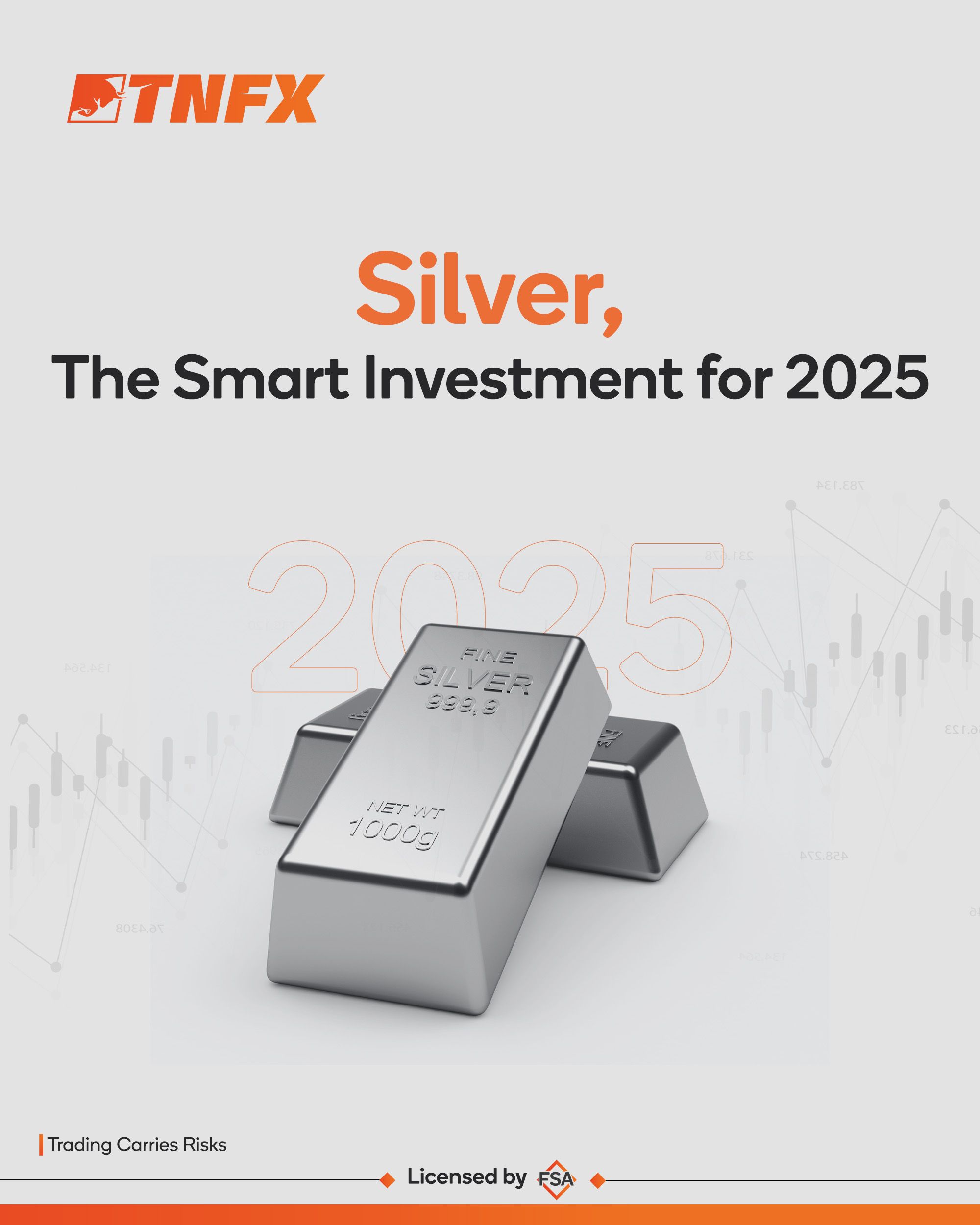
Silver has long been considered one of the most valuable precious metals in the investment world. It’s been trusted for centuries, and for good reason.
Its unique properties make it especially attractive for investors looking to diversify their portfolios especially those searching for stable, reliable alternatives. While gold tends to steal the spotlight, silver is a strong contender with its own strengths and solid potential in today’s markets.
Why Should You Invest in Silver?
There are plenty of reasons smart investors consider silver a great addition to their portfolios. Here are a few key advantages that make silver worth a closer look:
• Diversifying Your Investment Portfolio
When markets get shaky, spreading out your investments helps reduce risk. Silver is a great asset to balance your portfolio it holds real value and has strong industrial demand, which helps protect your capital when the market gets volatile.
• A Hedge Against Inflation
When paper currencies lose value due to inflation, precious metals like silver tend to hold their ground. Silver can act as a safe haven, helping to protect your purchasing power and provide some stability over time.
• Growing Industrial Demand
Silver isn’t just shiny it’s incredibly useful. It plays a key role in industries like electronics, medical technology, and solar energy. As demand in these sectors grows, so does the value of silver, making it a potentially profitable investment.
• More Affordable Than Gold
Both gold and silver are valuable, but silver is way more budget-friendly. That makes it perfect for investors who don’t have deep pockets but still want to get into precious metals and see long-term growth.
• Limited Supply
Silver is a finite resource. As global supplies shrink and mining slows down, silver becomes more scarce and more valuable. That limited availability gives it strong potential for future price increases.
• Easy to Trade, Highly Liquid
Whether you’re investing in silver bars, coins, or ETFs (exchange-traded funds), silver is flexible and easy to trade. Its high liquidity makes it a solid option for both beginners and experienced investors.
• Inverse Relationship with the U.S. Dollar
Since silver is priced in U.S. dollars, its value often moves in the opposite direction of the dollar. So, when the dollar drops, silver prices typically go up offering investors a way to benefit from currency fluctuations.
• Silver as a Long-Term Investment
Silver is an excellent choice for investors looking for long-term opportunities. Historically, it has proven to deliver steady returns over time even during periods of speculation. Plus, it retains its value, making it a safe haven when market fluctuations hit.
• Rising Demand Due to the Shift Toward Clean Energy
As the world shifts rapidly toward clean energy, the demand for silver has surged. This is mainly due to its vital role in environmental technologies, especially in the production of solar panels. This growing trend boosts silver’s position as one of the most promising future investments.
• A Safe Haven During Times of Crisis
Silver becomes even more valuable during economic crises and geopolitical turmoil. It’s considered a safe asset that tends to increase in value when confidence in traditional markets declines. Many investors rely on it as a way to protect their capital in uncertain times.
Investing in Silver: Key Benefits and Ways to Enter the Market
Investing in silver offers an appealing opportunity for diversified financial returns, but it requires a solid understanding of the available investment tools and potential risks. Here are some of the most common ways to get into the silver investment world:
• Buying Silver Coins and Bars
One of the most popular methods, where you can acquire silver in the form of coins or bars specifically designed for investment. It’s always best to buy from trusted dealers to ensure the quality and purity of the metal.
• Investing in Exchange-Traded Funds (ETFs)
ETFs are a great option for those looking to invest in silver without the hassle of storage or dealing directly with the metal. These funds reflect the performance of silver or related contracts in the financial markets.
• Buying Shares in Silver Mining Companies
Owning shares in companies that mine silver offers an indirect way to benefit from rising silver prices. The profits of these companies typically mirror market trends, providing a more hands-off investment approach.
• Trading Futures Contracts
Futures contracts are a more advanced option, suited for experienced investors. They allow you to profit from price fluctuations, but they require a deep understanding of the associated risks and strategies.
• Silver as a Physical Commodity for Trading
You can also invest in silver as a tradable commodity, used in jewelry or industrial applications, and then sell it on local or international markets at its current value.
• Investing in Derivative Financial Instruments
The financial market offers several derivative instruments linked to silver, such as options contracts and other derivatives. These tools are suitable for investors looking to diversify their strategies and capitalize on price movements with more flexibility.
• Diversify Your Investments
Don’t put all your investments in one asset. Even within the precious metals sector, it’s best to spread your capital between gold, silver, and maybe other metals to ensure a more balanced and stable investment portfolio.
• Choose the Right Method for You
The ways to invest in silver vary in terms of cost, flexibility, and risk. So, choose the method that works best for you, whether it’s physically buying silver (like bars or coins) or using financial tools like ETFs or futures contracts, depending on your goals and level of expertise.
Conclusion
Investing in silver can be a smart strategic move, but it requires a good understanding of the market, careful selection of investment tools, and patience and flexibility from the investor. With proper planning and following the right advice, silver can be a strong and effective addition to your long-term investment portfolio.