Investing in metals is one of the oldest forms of investment known to humanity, and it has maintained its prestigious status to this day.
In addition to their historical significance and diverse industrial applications, metals are considered a safe haven for investors seeking protection against economic volatility and rising inflation. In this comprehensive guide, we will take you through the fundamentals and strategies that will help you invest in metals wisely and securely.
What Does Investing in Metals Mean?
Investing in metals involves purchasing commodities such as gold, silver, or copper with the aim of generating future financial returns. These returns may stem from an increase in the metal’s price or from growing demand across various industries. In many cases, investing in metals serves as an effective way to preserve the value of money, especially during periods of economic instability and declining purchasing power.
Why Is Investing in Metals a Smart Choice?
There are several reasons why investing in metals is considered a strategic and successful move that can help grow capital and safeguard savings over the long term, including:
- Hedging Against Inflation
Historically, metals have demonstrated their ability to maintain purchasing power in the face of inflation, making them a safe haven for wealth preservation. By investing in a specific metal, you shield your funds from erosion caused by rising prices—particularly in volatile economies experiencing rapid inflation. - Portfolio Diversification
Metals are a valuable addition to any investment portfolio, offering diversification beyond traditional assets like stocks, bonds, and real estate. This diversification helps reduce overall risk and promotes financial stability. - Sustained Industrial Demand
Metals serve as essential raw materials for numerous industries worldwide, ensuring steady long-term demand. In some cases, the expansion of a specific industry tied to a particular metal can drive its price higher, resulting in substantial gains for investors. - Relative Scarcity
Unlike paper currencies that can be printed in unlimited quantities, metals are inherently scarce—either due to their natural rarity in certain regions or because they require costly extraction, processing, and refining. This scarcity, coupled with limited supply, increases their value, often making their market price significantly higher than their extraction cost or raw material value.
Types of Investable Metals
Investable metals can be categorized into several main groups, each with distinct characteristics and uses:
- Precious Metals
This group includes gold, silver, platinum, and palladium. These metals are valued for their high worth and rarity, and they are widely used in jewelry manufacturing as well as specialized industrial applications. - Industrial Metals
Metals such as copper, aluminum, and iron fall under this category. They are fundamental to many manufacturing industries and the construction sector, and industrialized societies rely heavily on them for daily operations. - Rare Earth Metals
Used in advanced fields like electronics manufacturing, renewable energy, and cutting-edge technologies, rare earth metals are characterized by high demand and low natural abundance, which enhances their investment appeal.
Methods of Investing in Metals
- If you are considering investing in a particular metal, there are several primary methods to choose from:
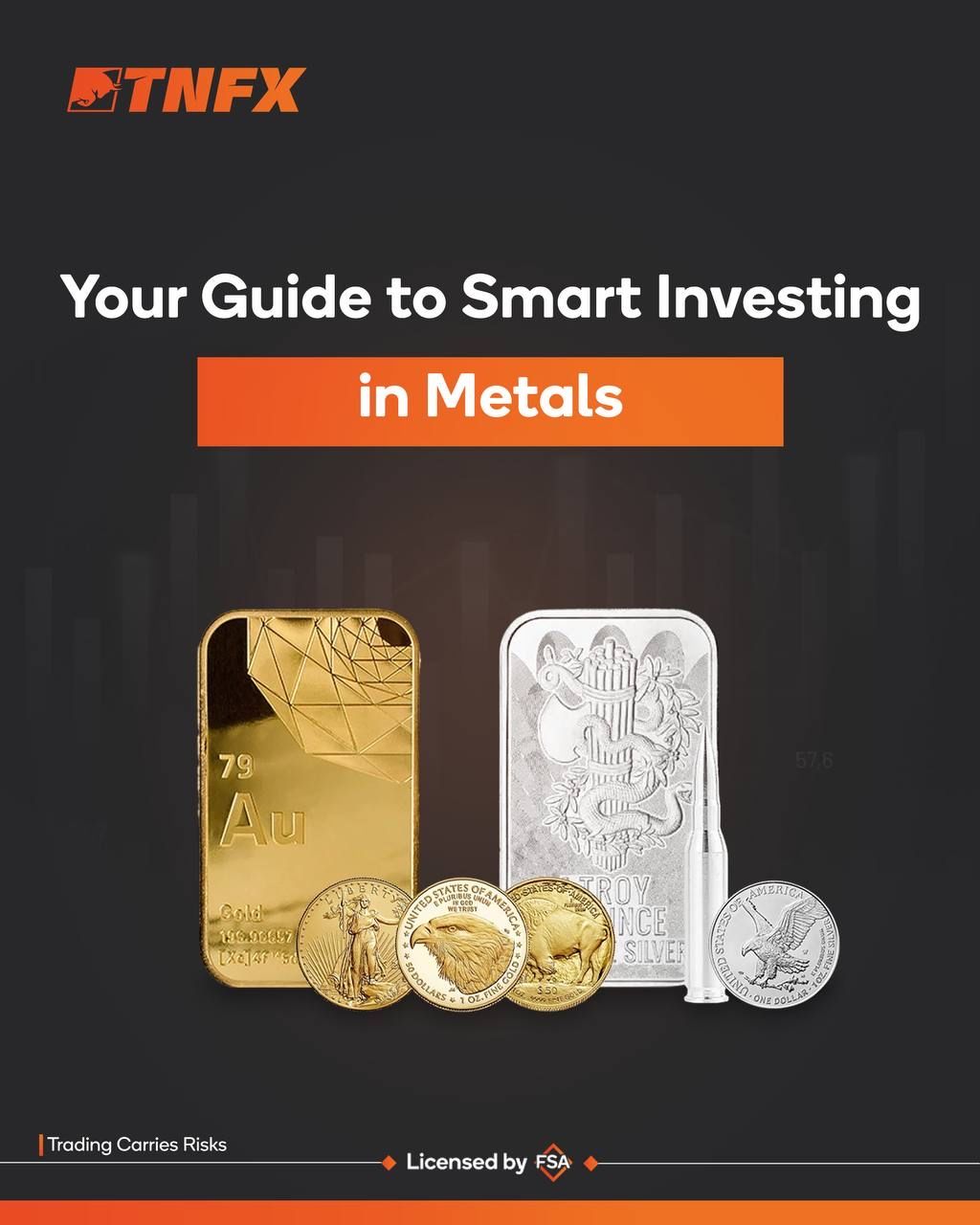
- Physical Metal Ownership
This involves purchasing physical assets such as bullion bars or coins made of precious metals and storing them securely. It is a direct and tangible way to own the metal. - Exchange-Traded Funds (ETFs)
ETFs offer an indirect way to invest in metals by buying and selling shares of funds traded on stock exchanges. This method provides greater liquidity and ease of trading. - Investing in Mining Stocks
You can invest in companies engaged in the extraction and refining of metals, benefiting from their profits and potential stock price appreciation. - Futures Contracts Trading
Futures contracts allow investors to speculate on the future prices of metals. These contracts are commonly used for hedging purposes or to profit from price fluctuations.
- Physical Metal Ownership
- Factors Affecting Metal Prices
Metal prices are influenced by several key factors, including:- Supply and Demand: The balance between the quantity available and the level of demand is the primary determinant of prices.
- Global Economic Conditions: Economic crises, inflation, and wars have a direct impact on metal values.
- Government and Monetary Policies: Economic and financial decisions made by countries can shift price trends.
- Technological Developments: Innovations can increase demand for certain metals, such as rare earth elements.
- Tips for Investing in Metals
- Clearly define your investment goals, whether short-term or long-term.
- Learn about the characteristics of each metal before investing.
- Stay updated on economic and geopolitical news that could affect the market.
- If you are a beginner, consult a financial expert before making decisions.
- Diversify your investment portfolio to reduce risks.
Conclusion
Investing in metals remains a strategic choice that appeals to investors seeking to diversify their portfolios and protect their wealth from inflation’s effects. However, success in this field requires careful study and a clear understanding of the potential risks before taking any action. By following the guidelines presented in this guide, investors can make more informed decisions and increase their chances of achieving sustainable and rewarding returns over the long term.